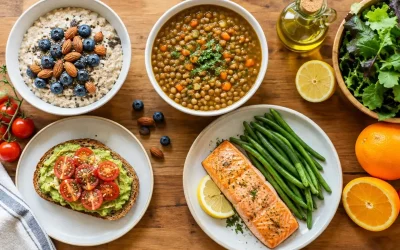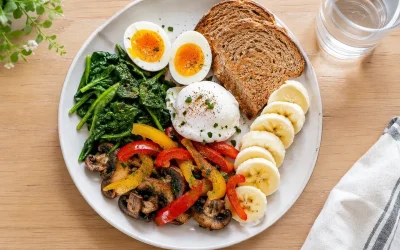
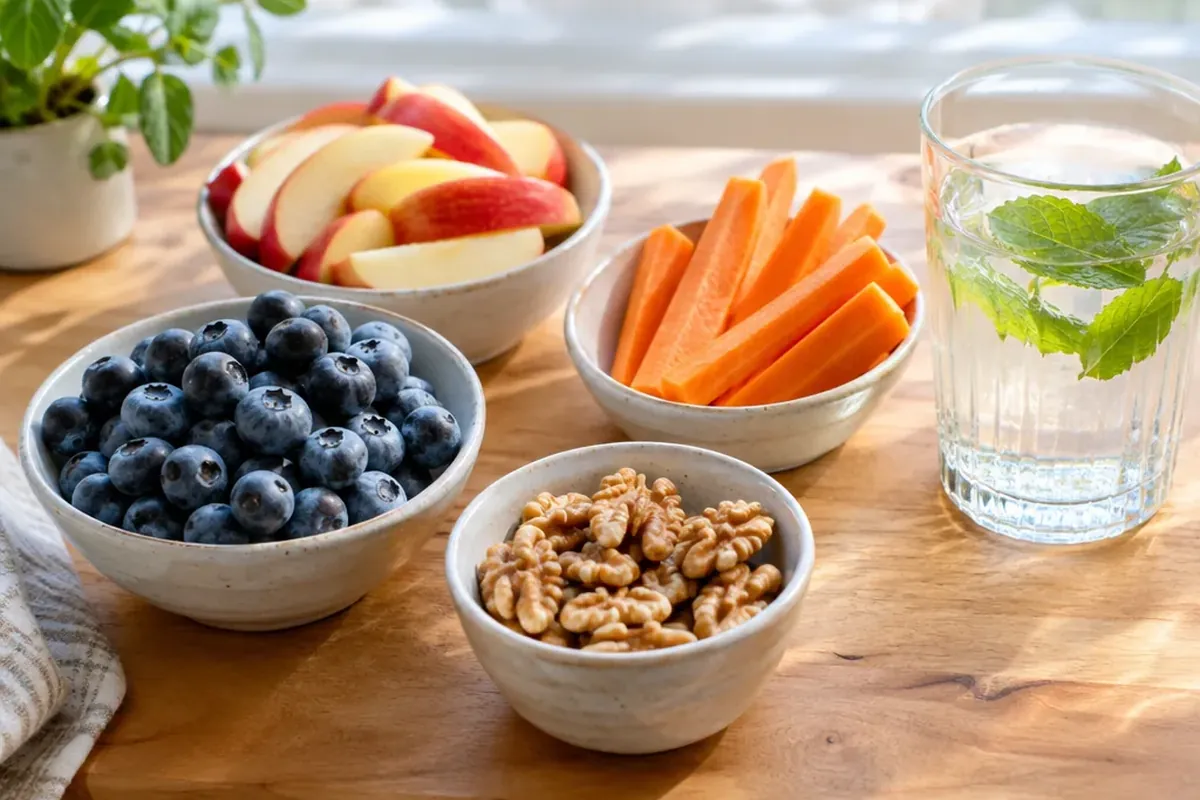
Good heart healthy snacks are simple whole foods: a small handful of unsalted nuts, fruit with a spoonful of peanut butter, raw vegetables with hummus, plain low-fat yogurt with berries, air-popped popcorn, or a small bowl of oatmeal. Look for snacks with no more than 140 milligrams of sodium per serving, some fiber, and little added sugar. These choices fit the eating patterns linked to healthier LDL cholesterol and blood pressure, while salty, sugary, or fried snacks work against them.
What Makes Heart Healthy Snacks Work for Blood Pressure and Cholesterol?
A good snack meets clear nutritional criteria rather than vague health claims. Guidelines from UW Health recommend that an individual snack provide fewer than 200 calories, less than 140 milligrams of sodium, at least 2.5 grams of fiber, and no more than 10 grams of sugar. The American Heart Association (AHA) also sets 140 milligrams of sodium per serving as its target for snacks. For its Heart-Check certification, snacks must contain under 5 grams of added sugar per serving, and grain snacks at least 10 percent of the daily value for fiber.
Saturated fats should account for less than 10 percent of your daily caloric intake. The AHA recommends replacing them with unsaturated fats from nuts, avocados, and plant oils. Pairing two food groups, such as a protein source with a carbohydrate, keeps you full longer and helps keep blood sugar steady.
Top 10 Heart-Healthy Snacks for Adults
Whether you need heart healthy snacks for adults at the office or something quick at home, these ten whole-food options fit the guidelines above:
- Walnut halves: A single one-ounce serving (28.4 grams) provides 185 calories, 18.5 grams of fat, and predominantly polyunsaturated omega-3 fatty acids.
- Raw almonds with dark chocolate: One ounce of raw almonds delivers 164 calories and 14.2 grams of fat. In one study, 42.5 grams of almonds a day lowered LDL cholesterol by 7 percent, and combining almonds with dark chocolate and cocoa reduced small, dense LDL particles. Keep the chocolate portion small.
- Apple slices with natural peanut butter: One apple paired with one tablespoon of low-sodium peanut butter delivers dietary fiber and monounsaturated fats.
- Raw vegetables with hummus: Sliced carrots, celery, bell peppers, zucchini, broccoli, and cherry tomatoes dipped into two tablespoons of hummus provide dietary fiber and plant protein from sesame tahini and chickpeas.
- Plain low-fat yogurt with fresh berries: Six ounces (170 grams) of low-fat or fat-free plain yogurt topped with three-quarters of a cup of blueberries, strawberries, or raspberries delivers calcium, live probiotic cultures, and anthocyanins that may improve vascular function.
- Air-popped popcorn: Popcorn is an intact whole grain. Three cups of plain, air-popped popcorn provide more fiber than a slice of whole-wheat bread and count as one whole-grain serving.
- Rolled oatmeal bowl: A half-cup serving of rolled oats contains 130 calories and 5 grams of fiber, delivering soluble beta-glucan fibers that lower LDL cholesterol.
- Frozen fruit bites: Frozen grapes and sliced bananas without added sugar offer a sweet, refreshing, heart-healthy snack option.
- Unsalted pistachios or hazelnuts: A small one-ounce handful delivers unsaturated fatty acids without excess sodium.
- Whole-grain crackers with mashed avocado: Five whole-grain crackers topped with avocado provide dietary fiber alongside heart-healthy unsaturated fats.
Nutritional Comparison: Everyday Snacks vs. Heart-Smart Choices
Simple swaps make a large difference in sodium and fiber:
| Snack Option | Serving Size | Sodium Level | Fiber Content | Cardiovascular Impact |
|---|---|---|---|---|
| Movie theater popcorn | One cinema serving | Up to 2,650 mg | Not stated | Very high sodium and up to 1,090 calories |
| Air-popped popcorn | 3 cups | Low (unseasoned) | Higher than whole-wheat bread | Counts as one whole-grain serving when eaten plain |
| Deli turkey roll-ups | Few slices | Over 500 mg | None | About a third of the AHA’s ideal daily sodium limit; processed meat |
| Raw veggies & hummus | Vegetables + 2 tbsp hummus | Low | Good source | Provides plant protein and dietary fiber |
| Plain low-fat yogurt & berries | 6 oz yogurt + 3/4 cup berries | Low | Good source | Probiotics linked to blood pressure reduction; rich in anthocyanins |
Heart Healthy Snacks Recipes for Easy Home Prep
Preparing snacks in advance makes it easier to skip the vending machine. These heart healthy snacks recipes take only a few minutes:
Antioxidant Berry-Yogurt Parfait
Combine 6 ounces of plain low-fat or fat-free yogurt containing live and active cultures with 3/4 cup of fresh blueberries and raspberries. Berries contain anthocyanins, flavonoids that may help lower blood pressure and improve vascular function. In a meta-analysis, regular intake of probiotics at 1 billion to 1 trillion colony-forming units a day lowered systolic blood pressure by an average of 3.56 mmHg.
Crunchy Garden Hummus Plate
Slice carrots, bell peppers, and celery into batons. Serve alongside two tablespoons of traditional hummus made from chickpeas and tahini. This snack delivers plant protein and dietary fiber while keeping sodium low.
Oat & Walnut Power Bowl
Mix 1/2 cup of rolled oats with hot water or low-fat milk. Top with half an ounce of chopped walnuts. The soluble beta-glucan fiber in oats helps lower LDL cholesterol, and walnuts add omega-3 fatty acids.
Smart Heart Healthy Snacks to Buy and On-the-Go Strategies
When you look for heart healthy snacks to buy, the Nutrition Facts panel matters more than the front of the package. More than 70 percent of the sodium in the typical American diet comes from packaged and restaurant foods, not from the salt shaker.
When selecting heart-healthy snacks on the go, check key metrics on the package:
- Sodium milligrams: Ensure each serving contains 140 milligrams or less. For general cardiovascular health, daily sodium should not exceed 2,300 milligrams, and individuals with elevated blood pressure should target an ideal limit of 1,500 milligrams per day.
- Percent Daily Value (% DV): Use the 5/20 benchmark. A Daily Value of 5 percent or less indicates a low nutrient level, which is ideal for sodium and saturated fat. A Daily Value of 20 percent or more indicates a high level, which is preferable for dietary fiber.
- Added Sugars: The AHA advises capping added sugars at 25 grams (100 calories or 6 teaspoons) per day for women and 36 grams (150 calories or 9 teaspoons) per day for men, or no more than 6 percent of daily calories. Check the dedicated “Added Sugars” line on the label.
- Trans Fat and Hydrogenated Oils: Products displaying “0 g Trans Fat” on the label can legally contain less than 0.5 grams per serving. Inspect the ingredient list for “partially hydrogenated oil,” which indicates artificial trans fats that harm cardiovascular health.
Keep raw, unsalted nuts stored in the refrigerator, as their oils can become rancid at room temperature. Rancid nuts are easily identifiable by an unpleasant bitter taste and odor.
Heart-Healthy Snacks After Heart Attack: Portion Discipline
After a heart attack, your care team or cardiac rehabilitation program will usually give you a personal eating plan, and it takes priority over general advice. For heart-healthy snacks after heart attack, an NHS patient guide notes that nuts provide good fats but are high in calories, so it recommends a very small handful, about 15 grams (half an ounce), per serving.
For grains, choose whole grains. A single serving of whole grains equals one slice of whole-wheat bread, one-half cup of cooked grains or oatmeal, five whole-grain crackers, or three cups of air-popped popcorn. The AHA recommends three servings of fiber-rich whole grains a day.
Heart Healthy Snacks at Night and What to Avoid
Evening snacks are often salty, sugary, or fried. If you need heart healthy snacks at night, try unsalted air-popped popcorn, a small handful of unsalted walnuts, or sliced fruit with a cup of hibiscus tea.
Three food groups are the ones cardiologists most often tell patients to avoid:
- Processed meats: Bacon, sausage, and packaged deli slices combine saturated fat with a lot of sodium. A few slices of deli turkey can contain over 500 milligrams of sodium, about a third of the AHA’s ideal daily limit.
- Sugar-sweetened beverages: Sodas and commercial energy drinks deliver concentrated liquid sugars. A standard 12-ounce can of regular soda contains 10 teaspoons of sugar (160 calories), exceeding the daily added sugar ceiling for women in a single drink.
- Trans fats and fried snacks: Foods made with partially hydrogenated oils contain artificial trans fats. French fries and other fried snacks often combine trans fats, saturated fats, and a lot of salt, all of which harm heart health.
Common Snacking Myths and Traps
A few common mistakes can turn a “healthy” snack into a poor one:
- The “Low-Fat” Label Myth: When food processors remove fat from foods, they often substitute added sugars or sodium to preserve flavor. Always inspect the ingredient list rather than trusting front-of-package marketing.
- The Protein Bar Illusion: Commercial snack and protein bars frequently contain high levels of hidden sugars. UW Health guidelines recommend limiting snack and meal bars to no more than one per day.
- Canned Fruit in Heavy Syrup: Canned fruits in heavy syrup or canned vegetables in brine add unnecessary refined sugars or sodium. Choose fresh fruit, frozen fruit without added sugar, or canned items labeled “no salt added” or “packed in water/own juice.”
- Portion Distortion: The serving size on a package is often smaller than the amount people actually eat. For nuts, one serving is a small handful (1 ounce or 28.4 grams) of whole nuts or 2 tablespoons of nut butter. Eating straight from a large bag makes it easy to eat several servings.
Frequently Asked Questions
How much sodium is too much in snacks?
The American Heart Association’s target for a snack is 140 milligrams of sodium or less per serving. Staying at that level helps you keep your whole day under the recommended limit of 2,300 milligrams, or the ideal limit of 1,500 milligrams for adults with high blood pressure.
What are three foods cardiologists say not to eat?
The three food categories cardiologists most commonly avoid are processed meats (including bacon, sausage, and packaged deli slices), sugar-sweetened beverages (such as regular sodas and energy drinks), and foods containing partially hydrogenated vegetable oils, which are industrial trans fats.
How to improve heart health quickly?
Blood pressure can respond within weeks. In the NIH-funded DASH study, eating 8.5 servings of fruits and vegetables a day lowered blood pressure significantly within two weeks, and in participants with high blood pressure, the DASH diet lowered systolic pressure by 11.4 mmHg. In a study of 53,000 adults, small daily changes (11 more minutes of sleep, 5 more minutes of moderate exercise, and a quarter cup more vegetables) were linked to 10 percent fewer heart attacks and strokes. If you have high blood pressure or high cholesterol, ask your doctor which changes matter most for you.
What are 7 foods best for heart health?
The National Heart, Lung, and Blood Institute (NHLBI) highlights seven foundational food groups for cardiovascular wellness: leafy green vegetables (such as spinach and kale), berries, whole grains (including rolled oats and brown rice), fatty fish (such as salmon, sardines, and mackerel, recommended 2 to 3 times weekly for protective omega-3s), legumes (beans, lentils, and chickpeas), tree nuts (such as walnuts and almonds), and avocados. In a Harvard study, eating at least two servings of avocado a week was linked to a 21 percent lower risk of heart attack.
What drink calms the heart?
No drink treats a heart condition, but some are good choices. Hibiscus tea contains anthocyanins and may help lower blood pressure, LDL cholesterol, and triglycerides. Drinking two to four cups of green or black tea a day is linked to a lower risk of heart disease. For everyday thirst, water flavored with mint, cucumber, or citrus has no calories, sugar, or sodium.
What are three foods that heal your heart?
While no single food can cure heart disease or reverse cardiovascular damage on its own, three foods have good evidence behind them: rolled oats, which lower LDL cholesterol through soluble beta-glucans; fatty fish like salmon, sardines, and mackerel, whose omega-3 fatty acids lower the risk of heart rhythm problems and sudden cardiac death; and anthocyanin-rich berries, which can help lower blood pressure and improve vascular function.